Movement is Health
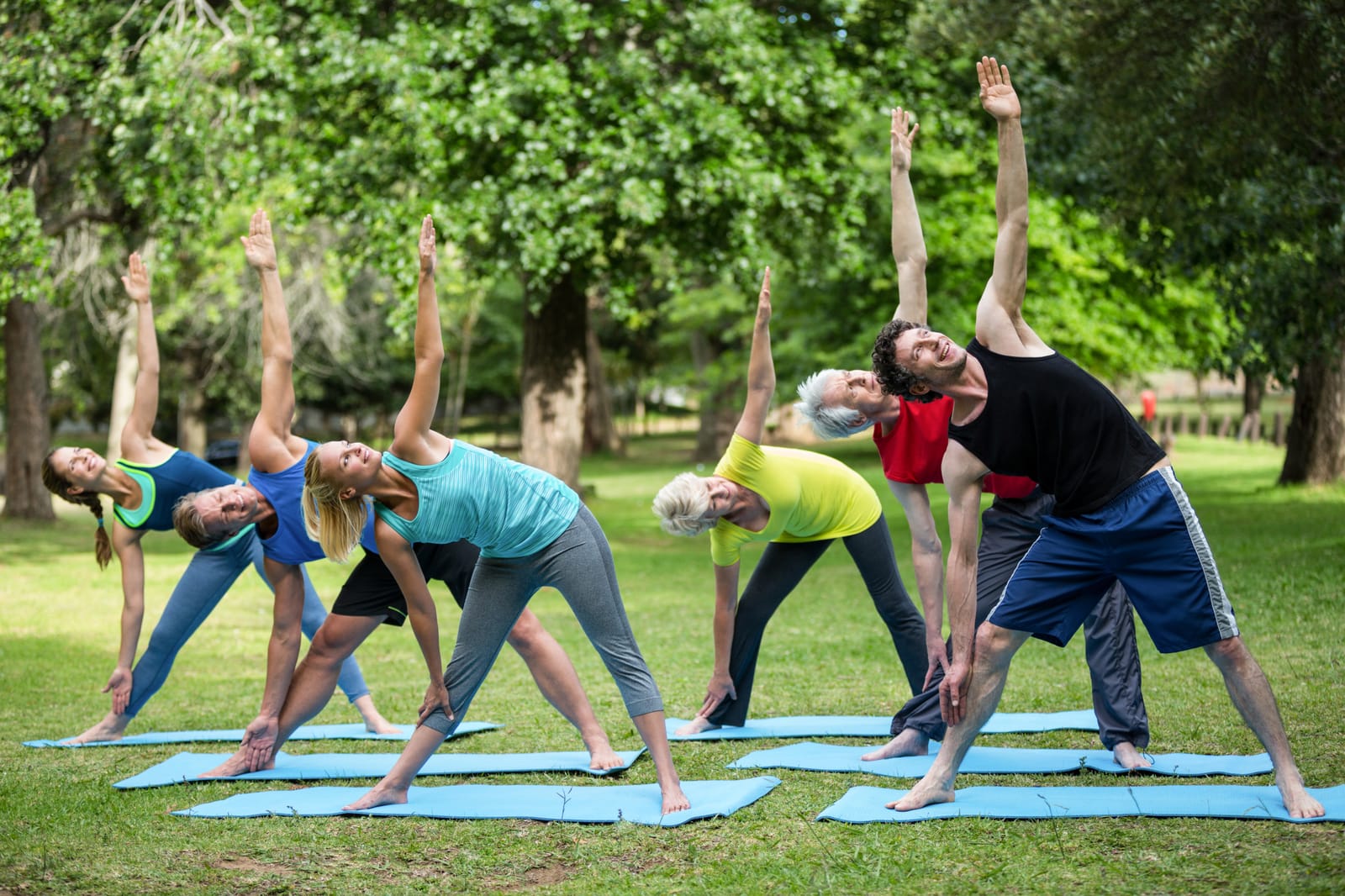
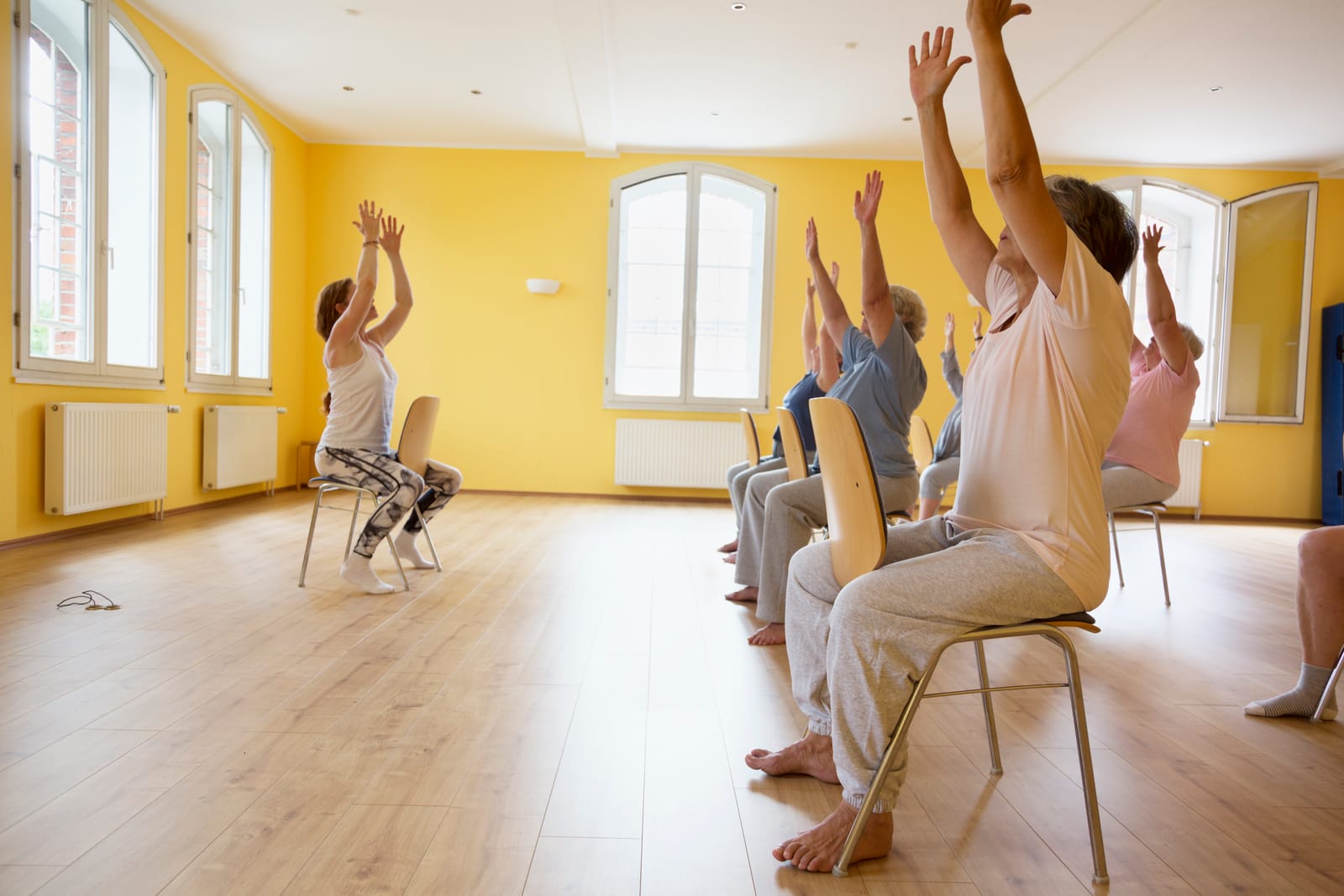
Movement reduces the risk of disease, regardless of age, sex, or fitness level. If you move more, you improve your health more.
Sitting Around Disease
If you sit around a lot, your health is not good. You may not be overweight, but if you don’t move, your health gets worse. Sitting around for more than 9 hours a day is deadly. We need movement that makes our lungs breathe harder and our heart beat faster. If we don’t get enough movement, our heart and lungs get feeble.
Big Gains for Little Effort
A little bit of exercise goes a long way. The biggest benefit comes when you shift from no exercise to doing a little every day. If you are already fit, you will get an improvement from more exercise or more intense exercise, but the big gains are for couch potatoes who are new to exercising.
Reach for Low-Hanging Fruit
No one benefits more from activity than those who do little exercising. If that’s you, you can pick some low-hanging fruit that has a big payoff. And we know that about half of us have a low fitness level. That means half of us can get a big benefit from adding a little locomotion.
Smoking on the Couch
A very low fitness level increases your risk on par with smoking. If you’ve thought, ‘well, at least I don’t smoke,’ you might as well (please don’t). Sitting around is hazardous to your health.
More is Better
There is almost no upper limit to the benefits of fitness. If you can get more fit, you will increase your chance of a long, healthy life. Only at the very extremes, like an ultra-marathon, do you see negative impacts on health. Almost none of us has that problem. We need more activity.
Joints Need Movement to Live
‘I wish I could, but I have arthritis.’ Maybe you’ve said that. Perhaps you’ve been told that movement will wear down what little joint cartilage you have left. Wrong! It’s the opposite. The more you move your joints, the longer you avoid cartilage deterioration. The only way joint cartilage can take in nutrients is by movement. The cartilage must be squished and then released to take in new nutrients. Cartilage has no blood supply.
Movement Builds Joints
The protein content in joint cartilage is improved by exercise. Movement builds cartilage---it doesn’t tear it down. Severe injury or joint misalignment can cause arthritis, but regular movement holds off arthritis. Activity is actually a treatment for early and moderate arthritis.
Cartilage Wears With Age
Arthritis pain is not directly linked to degenerated cartilage. Some people have severely degenerated cartilage but little pain, and others have severe pain with minimal change to cartilage. Joint cartilage naturally degenerates with age.
Wear Doesn’t Mean Pain
A recent study of over 3,000 healthy people looked at spine cartilage---the discs. They found that disc degeneration occurred with age regardless of pain level. A full 96% of pain-free 80 years old have disc degeneration. None of the people in the study had a back pain problem. Degeneration is a normal part of aging. MRIs are good at measuring disc degeneration, but they can’t predict pain.
Don’t Stop for Pain
The vast majority of pain does not signal that you are harming your body. Your body builds a pain buffer to prevent injury. Your body builds in a safety margin, triggering pain long before we injure something. If we stop as soon as we feel pain, the body makes the pain margin bigger and bigger. Often, we need to push into the pain to make the pain go away.
Pain Makes More Pain
The more pain you have, the better your system gets at making pain. Pain is self-reinforcing. Long-term pain rewires our brain because pain happens in the brain. That doesn’t mean that we can think our way out of pain---we can’t. But be aware that pain is not always working to protect your body. Pain can turn into an overprotective mother that won’t allow you to live. Sometimes you need to rebel against pain.
Move It for Good Health
If you can, meet the minimum of 30 minutes a day of moderate activity, like a brisk walk (check with your doctor if you have a heart condition). Doing this will improve almost every health measure: blood sugar, blood pressure, cancer, stroke, and even dementia. So keep on truckin’.