A Pile of Bile
# Hidden Organ #
The gall bladder is one of those things you don’t think about until it has a problem. It’s a small organ, only 3 to 4 inches long, and it hides under the liver.
# Storage Bile #
The gall bladder helps you digest food, especially fats. Since fats don’t dissolve in water, your digestive process needs help breaking them down to absorb them. Bile is a fluid made by the liver and stored in the gall bladder. Bile is also called gall.
# The Gall to Form Stones #
Gallstones are small, hard bits of cholesterol and/or calcium that sometimes accumulate in the gall bladder. One out of ten people will have gallstones. They range in size from a grain of sand up to an inch. They don’t usually cause any symptoms unless they block one of the tubes carrying bile to the digestive system.
# A Pain in The Abs #
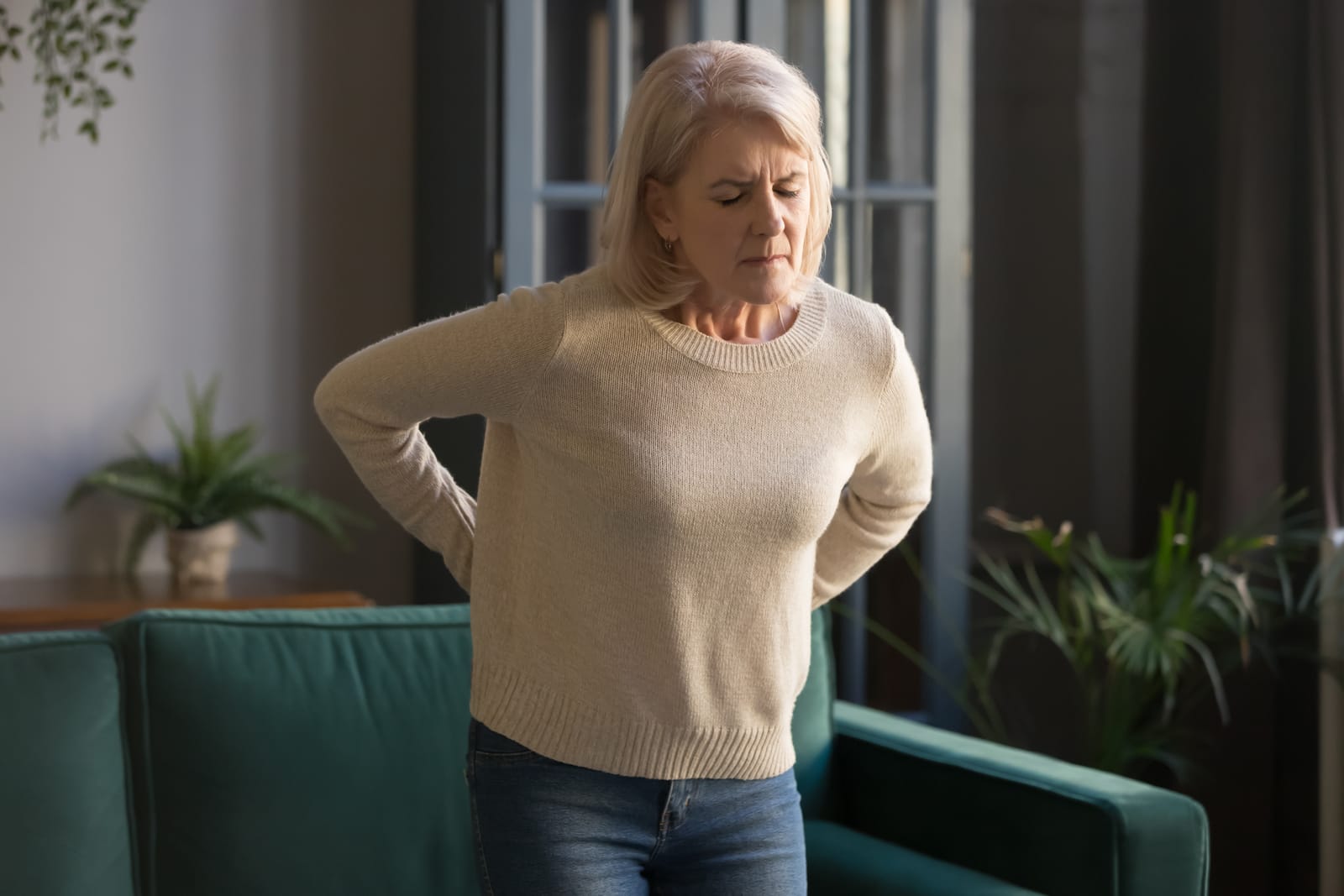
When there is a blockage, you usually feel pain in the right side below the chest and often have nausea. It seems that blockages often happen at night, especially after eating a heavy meal.
# Bile for Big Meals #
As the gall bladder is not necessary, it can be removed. The liver continues to make bile, but as there is no bile storage without the gall bladder, bile flows directly to the intestines. This makes it more difficult to process a high-fat meal. It also could make it more difficult to absorb some nutrients tied up in fat, such as Omega 3 and Vitamins A, D, E, and K.
# Lose the Gall Bladder #
Removing the gall bladder is one of the 10 most common surgeries. It is usually removed to relieve pain from gallstones. Gallstones are common, but most people have no symptoms and don’t need surgery. Removing the gall bladder solves the problem for most people.
# Surgery Risks #
The biggest risk with gall bladder surgery is that the bile tubes can be damaged during the operation. If this happens, bile can leak, which causes pain and infection.
# Reduce Your Risk Moderately #
Women are twice as likely to develop gallstones and being overweight increases the risk. A high fibre diet seems to reduce the risk, as does a lower fat diet. Crash diets increase the risk of gallstones. A daily cup of regular coffee lowers the risk of gallstones, as does a single glass of wine. Like most health advice, moderation is key.