Balance is Bedrock
Movement is vital in maintaining your health throughout your whole life. Without balance, movement is impossible. Balance plays a central role in muscle stability when we are sitting, standing or walking.
The Balance System
Ears provide hearing, but the ear plays another critical role---balance. Right behind our ears and protected by bone is the inner ear. The fluid-filled inner ear is behind the eardrum, and it’s where sound is converted into signals for the brain. The inner ear also has our balance sensors. Three fluid-filled loops lined with tiny hairs are the main part of your balance system.
Sound Makes You Move
Sound travels through the ear canal, past the eardrum and middle ear to the inner ear, and starts the fluid moving. Low-pitched sounds, like heavy bass, carry more power, so they move the fluid in our ears more. These low sounds also activate the balance system. At a concert, we can feel the bass, and this sound motivates us to move or dance to the beat. This is one example of how sound and movement are closely linked---music makes us dance.
How are We Positioned?
As we move our heads, the fluid in our balance system sends messages to our brain and body about how we are positioned relative to the ground. This tells our body how much of each muscle we need to tense to stay upright. Movement also triggers our ears to become more alert to sounds. This heightened hearing is critical for our safety.
Ageing with Balance
Eroding Balance Blocks Movement
As we age, not only does our hearing lose its sharpness but so does our sense of balance. Ageing impacts our balance system and, therefore, our movement. As we age, the hair cells inside the inner ear loops that bend as our head moves begin to stiffen and eventually decrease in number. When our balance system is not as active, we begin to move less, and our muscles begin to lose their strength. Our balance becomes less effective, so we don’t feel as safe moving and begin to move more carefully. This negative effect gets worse with reduced movement. You must use your balance system daily to feel alert and move well.
Test Your Balance
You can test your balance by trying to stand on one leg. Usually, a 40-year-old can come close to a full minute. For 50-year-olds, 45 seconds is the average. By the time we reach 70, the average drops to 27 seconds. Another reason balance is important with ageing is falls. About 1/3 of people over 65 fall every year. But it’s more than falls; balance is the foundation for movement.
Use Your Balance
Maintaining a healthy balance system for good muscle tone is simple. Our balance and posture improve with proper use. Triggering the balance system is very powerful as the fluid in your ear moves even after you stop moving, so a little movement goes a long way. Many of us have experienced the overstimulation of our balance system when getting off an amusement park ride and feeling dizzy or even sick even though the ride has stopped. The inner balance fluid is still moving.
Tune Your Balance
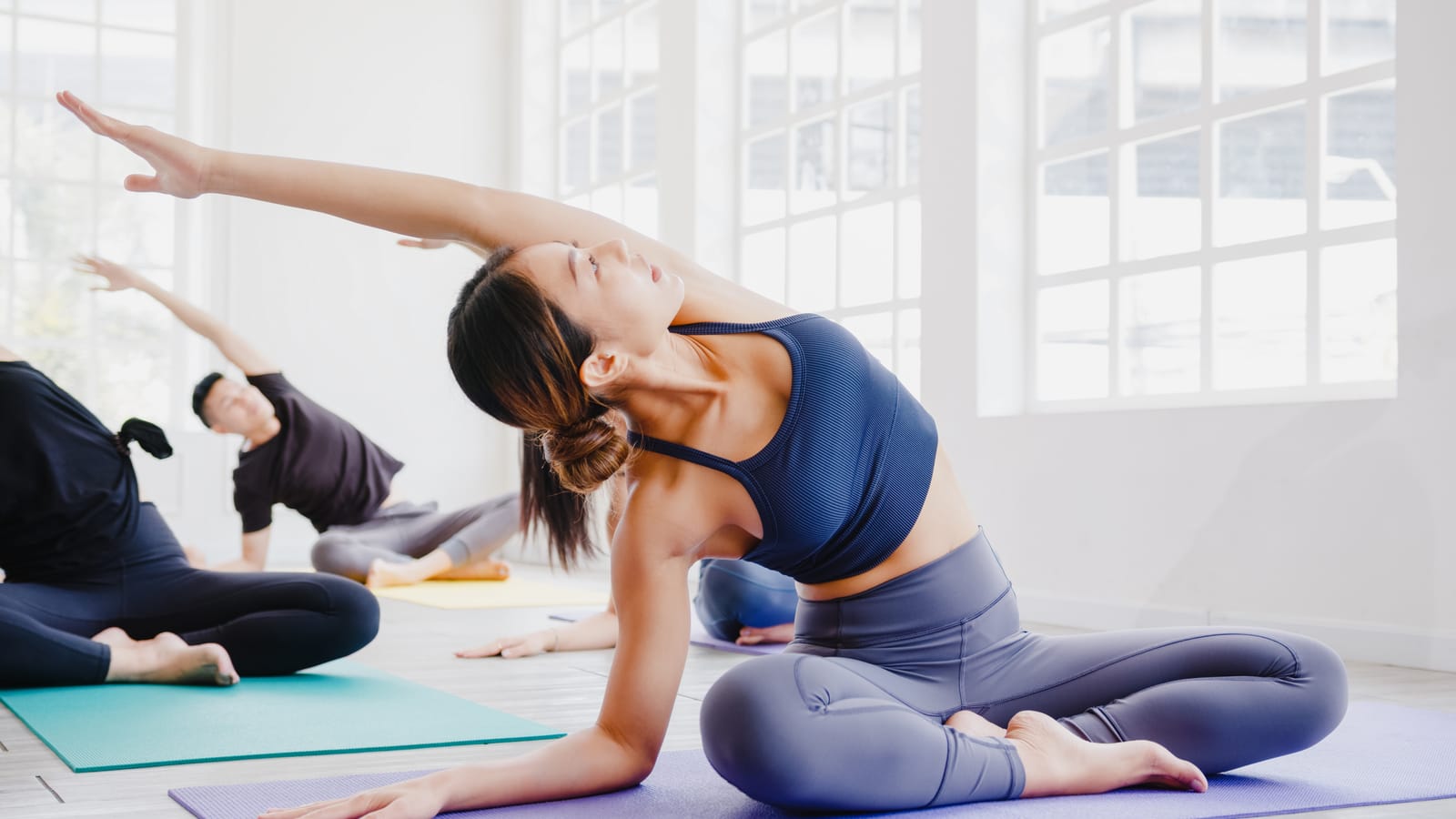
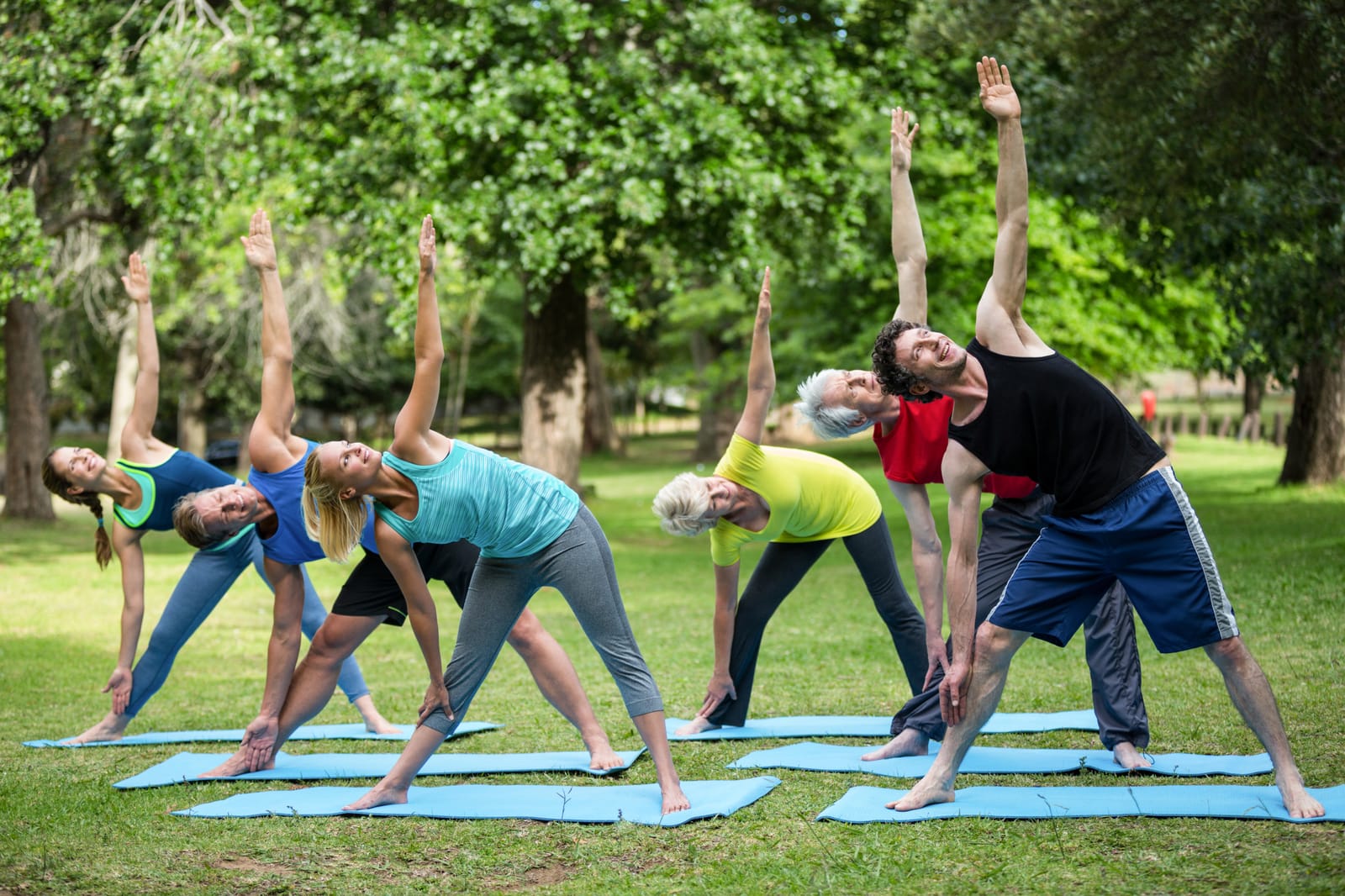
Simple activities carry a powerful punch in the balance system, lasting as long as 6 hours after the exercise. Ideally, we activate our balance system every day by participating in a variety of activities that challenge our balance, such as walking on uneven surfaces, biking, swimming, hiking, dancing, stretching, yoga, or tai chi.
Build your Balance
Start slowly to build up your tolerance. If you feel dizzy after doing the exercises, put a cold cloth on the back of your neck and drink some cool water. When the dizziness goes away, walk briskly for about 3 minutes. Start with the beginner program, and once it becomes easy, move on to the next level. Do these activities every day. Spend at least one week at each level.
Beginner Level
-
In a stable, seated position, gently and slowly move your head up to look at the ceiling and then down to the floor with your chin to your chest. Repeat 3 times.
-
In a stable, seated position, gently turn your head side to side, looking left and then right. Repeat 3 times.
-
In a stable, seated position, gently tilt your head left, then right. Repeat 3 times.
To increase difficulty, do the exercises with your eyes closed.
Intermediate Level
Do the exercises listed above, plus the following:
-
In a stable, seated position, bend forward at the waist until your head is inverted, and slowly bring it back to sitting straight up. Repeat 3 times.
-
In a stable, seated position, hold a small weight or pillow in both hands and gently twist/rotate at the waist with your arms/shoulders and head turning to the left and then to the right. Use only gentle, smooth movements. Repeat 3 times.
Advanced Level
Do the exercises listed above, plus the following:
-
In a standing position with feet shoulder-width apart, hold a pillow in both hands and gently swing it between your legs so that your head is inverted and you are looking through your legs at the wall behind. Come back up to a standing position. Repeat 3 times.
-
In a standing position with feet shoulder-width apart, hold a small weight or pillow in both hands and gently twist at the waist with your arms/shoulders and head, turning to swing the weight behind you to the left and then the right. Repeat 3 times.
Other Balance Exercises
You can also add tai chi to your exercise program. It is safe for all ages and fitness levels and is particularly good for building balance. You can also practice standing on one foot, but have a counter nearby for support. And, when you get into and out of a chair, try not to use your hands for balance. If you have difficulties balancing, consult your health care provider before starting these exercises.
Balance Improves Your Energy
Balance is foundational for health. Without good balance, movement becomes more difficult and less likely. Whatever your age or level, you can improve your balance system. Tune-up your balance system to feel younger and more energetic.