Sleep
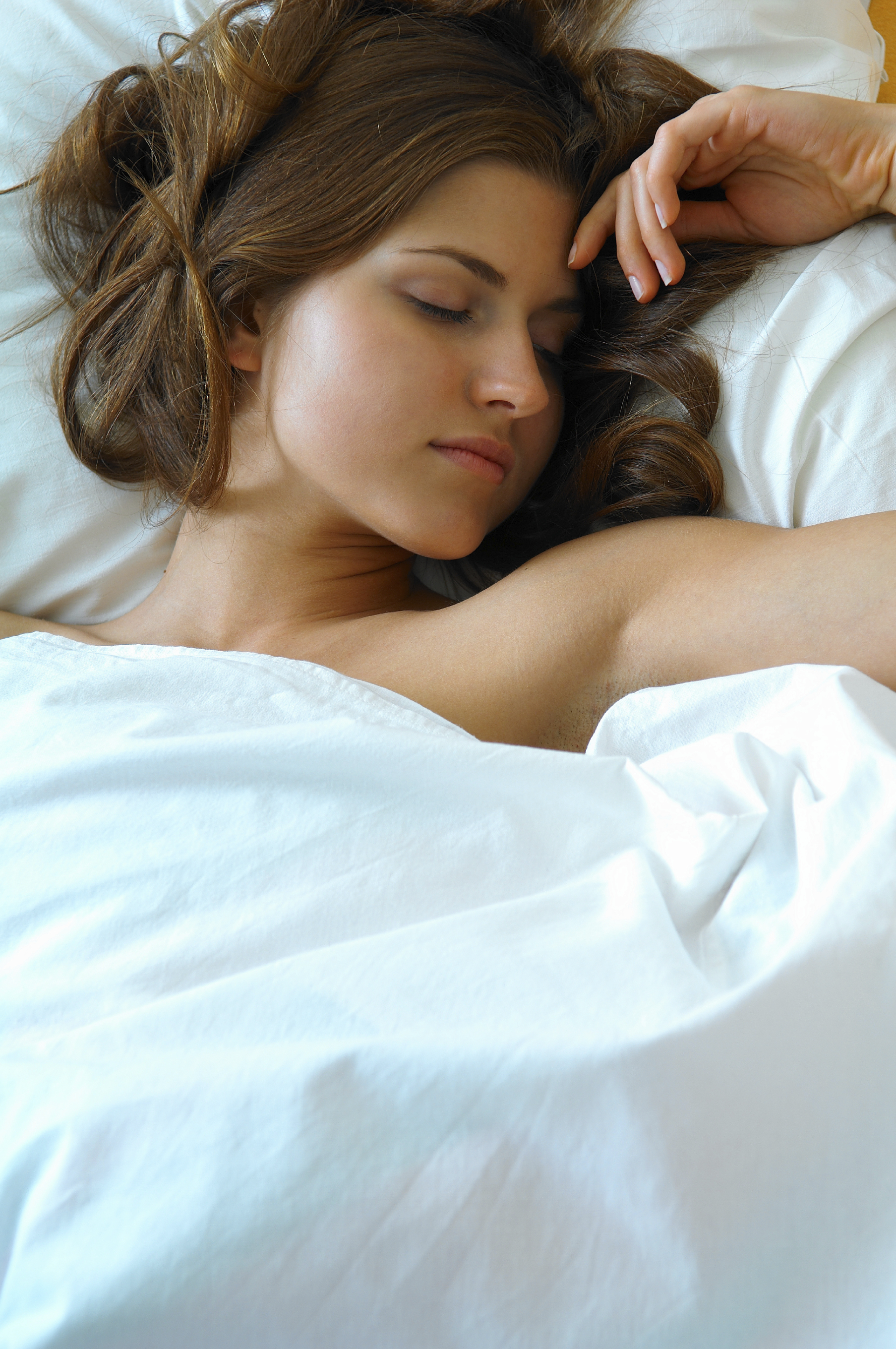
A generation ago, sleep was not considered a health issue. People encouraged you to sleep less to get more done. This is flat-out wrong. A bad night’s sleep is far worse for you than a bad day of eating or a day of missed exercise. Surviving on 6 hours of sleep a night when you don’t have to is not heroic. It’s dumb, at least for most people. Pulling all-nighters is as harmful as smoking cigarettes for the day.
Crazy for Sleep
If you never fall asleep, you will go insane. Not a little crazy, sleep deprivation makes you literally insane. Within 24—48 hours of sleeplessness, our perceptions are distorted, and anxiety and irritability climb. After 48 hours, hallucinations start. Thinking starts to become jumbled, and after 72 hours, full psychosis. We can go without food for longer than we can go without sleep!
It Adds Up
Lack of sleep adds up over time. Regularly getting less than 7 hours of sleep will eventually cause a decline in mental performance. While you can survive on 6 hours of sleep, and you may even feel fine, your mental and physical performance will suffer, especially after days of less-than-ideal sleep.
Disease Risk
Getting less than 6 hours of sleep a night increases your risk of some cancers, but getting more than 9 can increase your risk of colon cancer. Getting less than 5 hours of sleep is linked with early death. And poor sleep contributes to Alzheimer’s and dementia. And over a lifetime, sleeping less than 6.5 hours shortens your life.
What Sleep Does
Sleep is key for our mind. During sleep, we solidify memories. Our memory is better after sleeping than before. Obviously, a lot is going on in our brains when we sleep. Without sleep, we can’t learn new things. Dreaming is also important. While we don’t normally remember dreams unless we wake during them, every night, we dream as our brain tries to make sense of the world.
Sleep and Sex
Men and women have different sleep cycles. Women of all ages spend more time in the deep sleep cycle than men. And the gap widens with age as older men get less deep sleep. As we age, our sleep tends to get worse. This causes some cognitive decline linked to aging, such as a weaker memory.
Aging Sleep
About ⅓ of people over 65 have some trouble sleeping. Many factors contribute to poor sleep, including lack of exercise, smoking, alcohol use, respiratory conditions, diabetes, high blood pressure, and pain. One measure of sleep quality is the time of first waking. Do you first wake at 2 a.m. or 6 a.m.? Overall sleep quality is related to this first wake. The later the first wake, the better the sleep.
Sleep Cycles
We sleep on a 24-hour cycle, but every night we go through many sleep cycles. We cycle through 5 stages of sleep. A complete cycle lasts about 90 minutes. Being awoken from deep sleep is disorientating, but waking during light sleep makes it easier to get up. During the dream stage of sleep (REM), our brain is more active than when we are awake. Our mind works while our body sleeps. As we age, our sleep cycle shifts a bit to less deep sleep.
Aim for 8 Hours
More sleep isn’t always better. There is a point at which we are getting too much sleep. For most people, the ideal amount is 7—8 hours. Any less and you are harming your mind and body, any more and your health can suffer. To get the Goldilocks amount of sleep, there are 4 main factors to consider: Routine, Environment, Exercise, and Nutrition. REEN.
Routine
The more regular our sleep is, the more our body will be trained to sleep well. Even if we have only slept a few hours, our body begins to wake up when morning comes. Our bodies are tuned to daylight. When it is light, we want to be awake. That is because the hormone levels start to adjust, and our body prepares for the day. Sleeping during this waking period is difficult. Similarly, at night, our body produces different hormones to help us rest. If we have irregular sleep hours, our body has a heck of a time preparing for sleep or waking. As a rule, get up at the same time every day. This sets your wake hormone on a regular pattern.
Environment
To get a good night’s sleep, we need a good place to sleep. Quiet and dark to start. Try to keep the temperature down, ideally around 18℃. Keep a window open if you can. The fresh air will keep the CO2 from getting too high, which interferes with good sleep. A good mattress is a worthwhile investment. Consider the amount of time you spent on it.
Exercise
A higher level of exercise is linked to better sleep. Not only does exercise keep us mobile, make us stronger, and give us more energy, it also helps us sleep better. But don’t exercise right before bed. Leave at least 2 hours between exercise and bedtime.
Nutrition
Avoid a lot of carbs at supper. They can make you wake up more often. Also, don’t eat too late. Make sure you are getting a good supply of vitamin D and K , calcium, and magnesium. A high-fibre diet optimizes hormone levels. In general, a healthy diet supports healthy sleep.
Naps
Naps can be a worthwhile add-on to nighttime sleep. They can’t replace nighttime sleep, but naps have been shown to improve mental sharpness, which is especially true for middle-aged adults. But keep naps under 30 minutes.
Nighttime Pain
When we have pain, movement in sleep can wake us up. Sleeping with pain is almost impossible. Normally, during the day, we have distractions from the pain that helps us keep going. Use a natural pain reliever to help manage pain. At night, we are alone with our pain without distractions. Sometimes, we need a distraction to fall asleep again. Try reading a book. If you’re not alone in bed, get a clip-on book light that lets you read without a lamp, or use a tablet on night mode. Reading a book can distract from the pain and allow sleep to come. Avoid watching TV as it has too much sound and stimulation.
Sleep Apnea
Sleep apnea, which is the interruption of breathing during sleep, was not widely recognized before 1990. Now, it is known to be a major contributor to high blood pressure, heart disease, stroke, A-fib, reduced kidney function, and more.
About half of patients with those conditions have sleep apnea! The link between these conditions and sleep apnea is strong, so if you snore and have daytime sleepiness, it’s worth checking out. When sleep apnea is treated, it can lower blood pressure without any medications.
Sleep is Important
We know how important sleep is to good health. Make it a priority. Don’t let too much TV or anything interfere with a good night’s sleep. In the next issue of Panacea, we’ll look at some tools, techniques, and supplements that improve sleep.