Tired Glands
Adrenal Glands
Your adrenal glands are small glands that sit on top of each kidney. They do the obvious job of making adrenaline, hence the name. Adrenaline is used by our body when we face a physical emergency and need extra go-time.
Stress Hormone
But the adrenal glands do more than make adrenaline for emergencies. They also make other hormones and pre-hormones like DHEA. Another hormone they make that helps us deal with stress is called ‘cortisol.’ Cortisol helps your body deal with stress, injuries, and infections by boosting our energy and keeping inflammation down, among other things.
Low Production
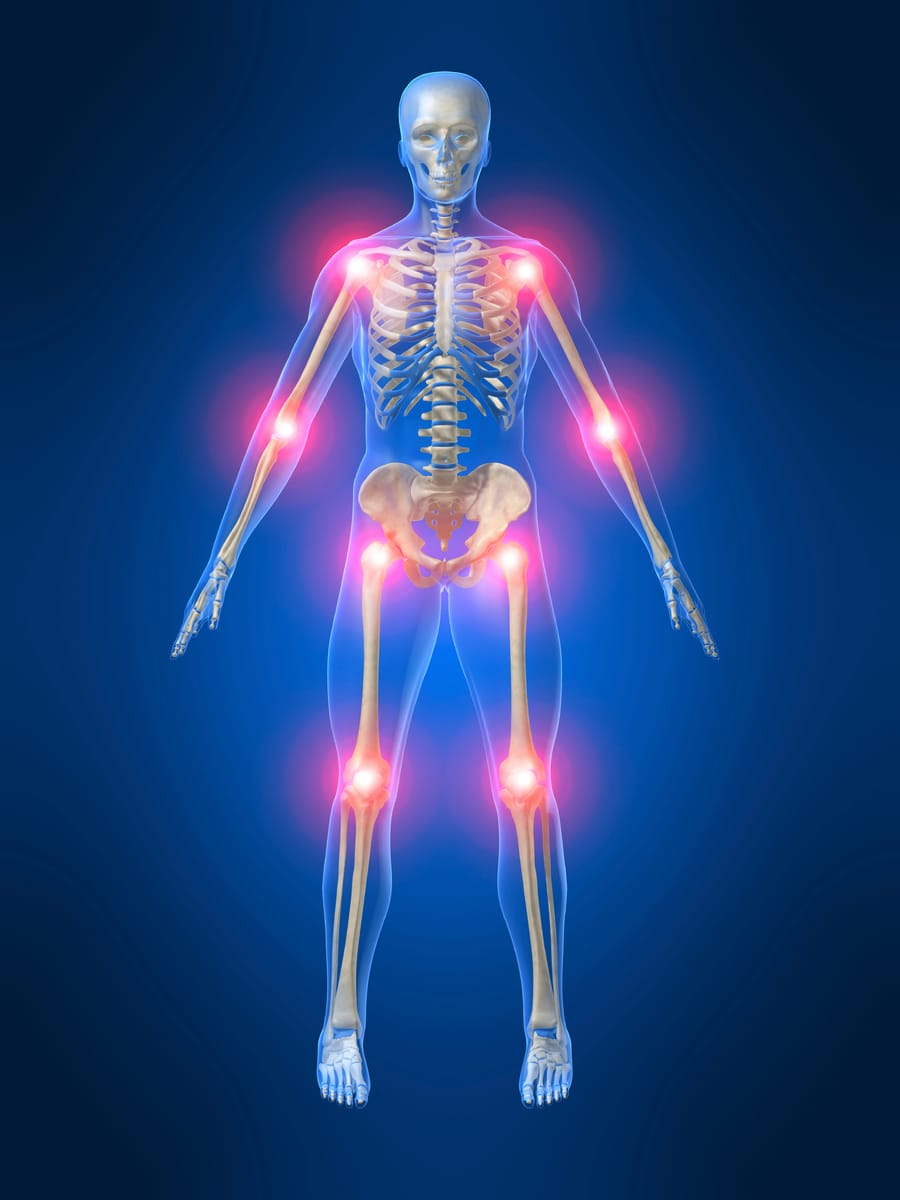
When the adrenal glands don’t function optimally, it can influence how we feel. With ‘adrenal insufficiency,’ as it is called, we are often tired and weak and feel lousy, often with sore joints. Sometimes you crave salt or lose your appetite and even lose weight. For many of us, losing weight is a warning sign as we never lose weight easily. The symptoms can happen slowly over time, so it can be hard to notice.
Addison’s
There is a rare disease that can attack your adrenal glands. It is called Addison’s disease. It happens when your immune system attacks the adrenal glands. JFK suffered from Addison’s disease. Addison’s disease darkens your skin, which is why JFK looked so tanned even though he was of Irish ancestry.
Mixed Signals
Often, the adrenal glands are fine, but the gland that sends the production signal to them starts to work less effectively. The pituitary gland is a small gland buried in the brain that sends the signal to the adrenal glands. It does this by putting a special marker in your blood. The adrenal gland sees the marker and increases production. When the pituitary gland doesn’t send enough signal molecules, the adrenal gland assumes that the levels are high enough and stops production. An opposite problem occurs when the pituitary gland keeps sending the production signal no matter what the level. This is called Cushing Syndrome.
Measure Levels
There are blood tests that can measure your blood hormone levels to determine if there is a problem. Often, samples are taken at several points during the day because cortisol levels fluctuate throughout the day. Normally, cortisol levels are twice as high in the morning than in the afternoon. Sometimes a saliva test or urine test is used. Sometimes, a CT or MRI scan of your adrenal glands can help pinpoint where the problem lies.
Test Trigger
To determine if the problem lies with the pituitary or adrenal gland, a doctor can inject a bit of the signal into the bloodstream to see if the adrenal gland kicks into production. After an hour or so, they check your levels to verify if the adrenal gland responds to the production signal. Other tests can attempt to trigger the pituitary gland.
Shrinking Gland
If you do have adrenal insufficiency, you don’t want to live with it, as your adrenal glands can shrink if they don’t get enough production signals. It can take a while for them to recover if treatment is delayed.
Stressed Set to 11
If your adrenal glands are not fully functioning, when there are times of extreme stress, the adrenal glands sometimes can’t keep up with the cortisol requirements, and a crisis occurs. This crisis can be from injury or stress. This kind of extreme adrenal crisis needs immediate treatment.
Treatment
The standard treatment for adrenal lack is to take a replacement for cortisol. It is also important to get enough salt. When the adrenal hormone levels are low, the body doesn’t hang onto enough salt, creating a salt deficiency. This lack of salt sometimes causes salt cravings in those who have low adrenal function.
Diet
The best diet to maintain your adrenal function is to limit sugar and caffeine. Some vitamins that may help include the B’s, C and some magnesium.
Hormonal Balance
Hormones, by definition, are small molecules that send signals to different parts of the body. If your hormones get out of balance in any way, things start to go wrong. If you notice you feel different, your moods are different, your energy level has changed, or you are gaining or losing weight, investigate your hormone levels.