Keys to Unlock Digestion
Enzymes are keys that enable the digestive system to unlock nutrients in food.
All Foods Need Enzymes
Enzymes are needed to digest any food. All three nutrient types---carbs, proteins and fats---must be broken apart by enzymes into nutrients we can use. Without the proper enzymes for the right foods, we can’t break down the food, and it goes right through the digestive tract, sometimes rapidly. If we eat food that we don’t have the correct enzymes to digest, it can cause digestive discomfort.
Unlock Food
Enzymes are compounds that help specific chemical conversions take place. Digestive enzymes ‘click into’ certain molecules, causing them to break apart. They function like a key fitting into a lock. They only fit into specific molecules.
Coenzymes
Coenzymes are compounds that carry things that an enzyme might need to do its job. They are enzyme assistants. Cofactors are another type of assistant. They help enzymes do their work. Some vitamins and minerals act as cofactors. Without them, the entire system of creating energy in your body slows down.
Enzyme Factory
The pancreas is the primary source of enzymes. The stomach and the salivary glands also produce some. The liver does not produce enzymes, but it does create bile. Bile is stored in the gallbladder and helps break down fats. If the pancreas is damaged by diseases like cystic fibrosis or other conditions, you may need to take enzymes, as your body won’t produce enough of them.
Food Enzymes
Enzymes in fruits
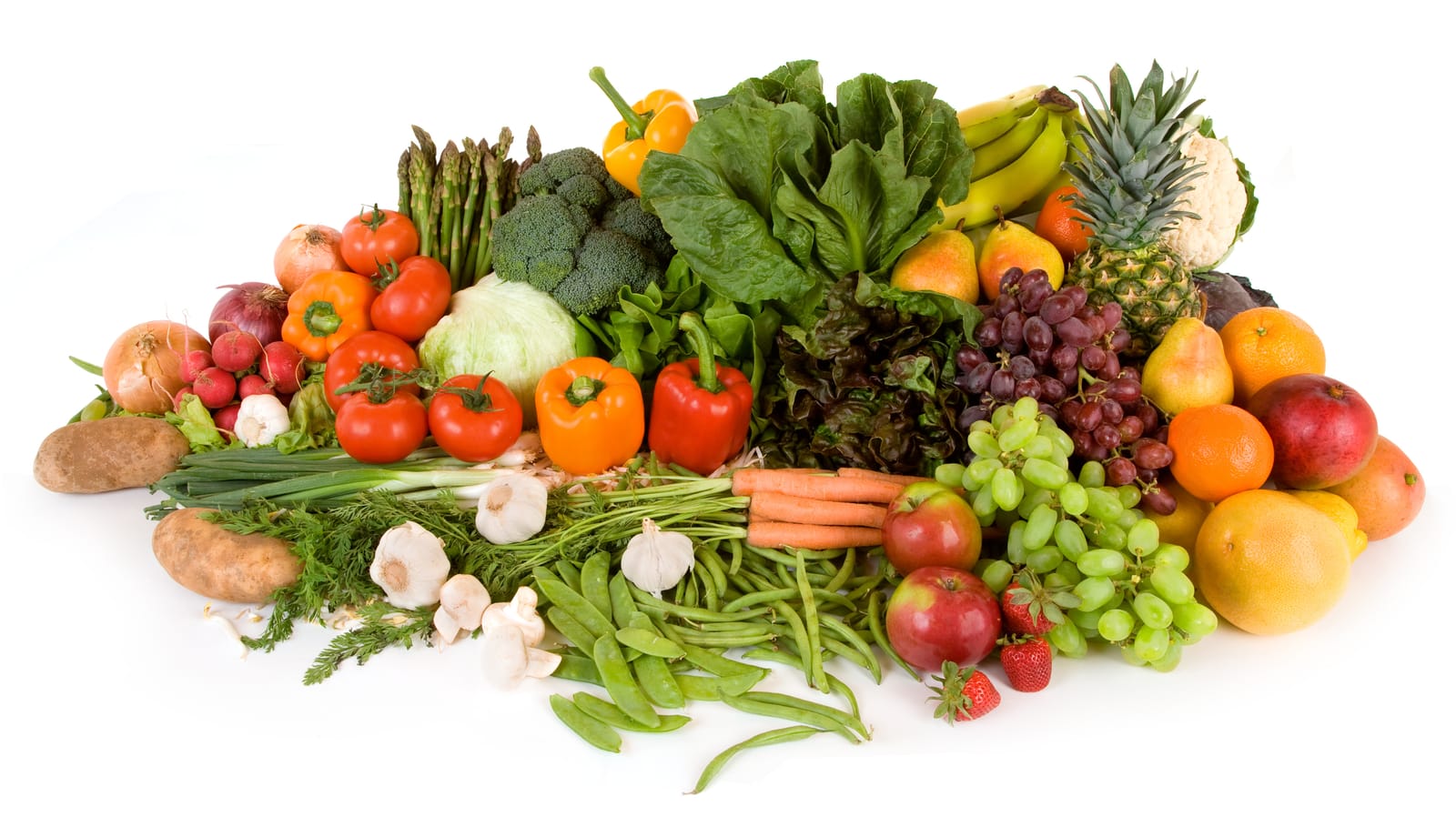
Enzymes also occur in foods. Pineapple contains an enzyme called bromelain that is useful in digesting proteins. One reason you use pineapple to tenderize meat is that it starts to predigest it. Kiwi is another fruit that helps digest proteins. Other fruits contain enzymes to digest carbohydrates. Leafy green veggies also contain enzymes.
Fermented or sprouted
Fermented foods like yogurt, sauerkraut, and kimchi also tend to have a variety of enzymes. Another source of enzymes is sprouted grains. Sprouting increases the amount of enzymes in grains and seeds.
Raw enzymes
Most enzymes are destroyed by heat, so only raw foods have enzymes. Thankfully, the largest enzyme sources are fruits normally eaten raw.
Digesting milk
Most mammals lose their ability to digest milk as they become adults. Some humans can digest milk as adults, and some cannot. Most Northern Europeans and many Africans can digest milk, but most East Asians cannot. It is possible to take a lactase pill to help digest milk. Lactase is the enzyme that digests the milk sugar, lactose.
Rootin, tootin beans
Beans are another food that can run into enzyme shortages in digestion. Beans have a variety of complex carbs. If you don’t have enough of the right enzymes, beans generate a lot of gas. This carb also occurs in other vegetables and grains. The enzyme to break down beans is called Alpha-galactosidase. If those foods make you gassy or bloated, find pills with that enzyme (Beano).
Benefits
Fruity enzymes
Although most people get along fine without extra enzymes, adding foods rich in enzymes can improve digestion. It can relieve the discomfort. As we age, we tend to have lower amounts of naturally produced enzymes, so adding fresh fruits can streamline digestion. Eating foods rich in enzymes can also improve the absorption of nutrients.
No enzymes = intolerance
Food intolerance may be due to a lack of enzymes. A clear case is lactose intolerance (inability to digest some dairy products). A lactase (Lactaid) pill can greatly reduce the discomfort of drinking milk.
Gut farm food
Enzymes also perform an important function for our gut farm, the healthy bacteria in our digestive tract. Enzymes create food that the good bacteria in our gut can use. The gut farm works together with enzymes to assist digestion. Fibre, which enzymes can’t break down, is broken down by the gut bacteria into beneficial compounds.
Reduce inflammation
Some enzymes may also aid in reducing inflammation. Bromelain, for example, has been shown to reduce inflammation. It can irritate the gum when eating a lot of fresh pineapple. This is because the enzyme begins ‘digesting’ the proteins on the surface of your mouth. Cooked and most canned pineapples don’t do this because the heat treatment destroys most of the enzymes.
Enzyme Time
To get the most from your food, you need enzymes. As we age, our inner enzyme factories slow down a bit. Add some fresh fruit to your diet to top up your enzymes. If you sometimes get gas and bloating, especially from certain foods, trying some digestive enzyme pills is not a bad idea.