The Morning You Realized You’d Been Wrong
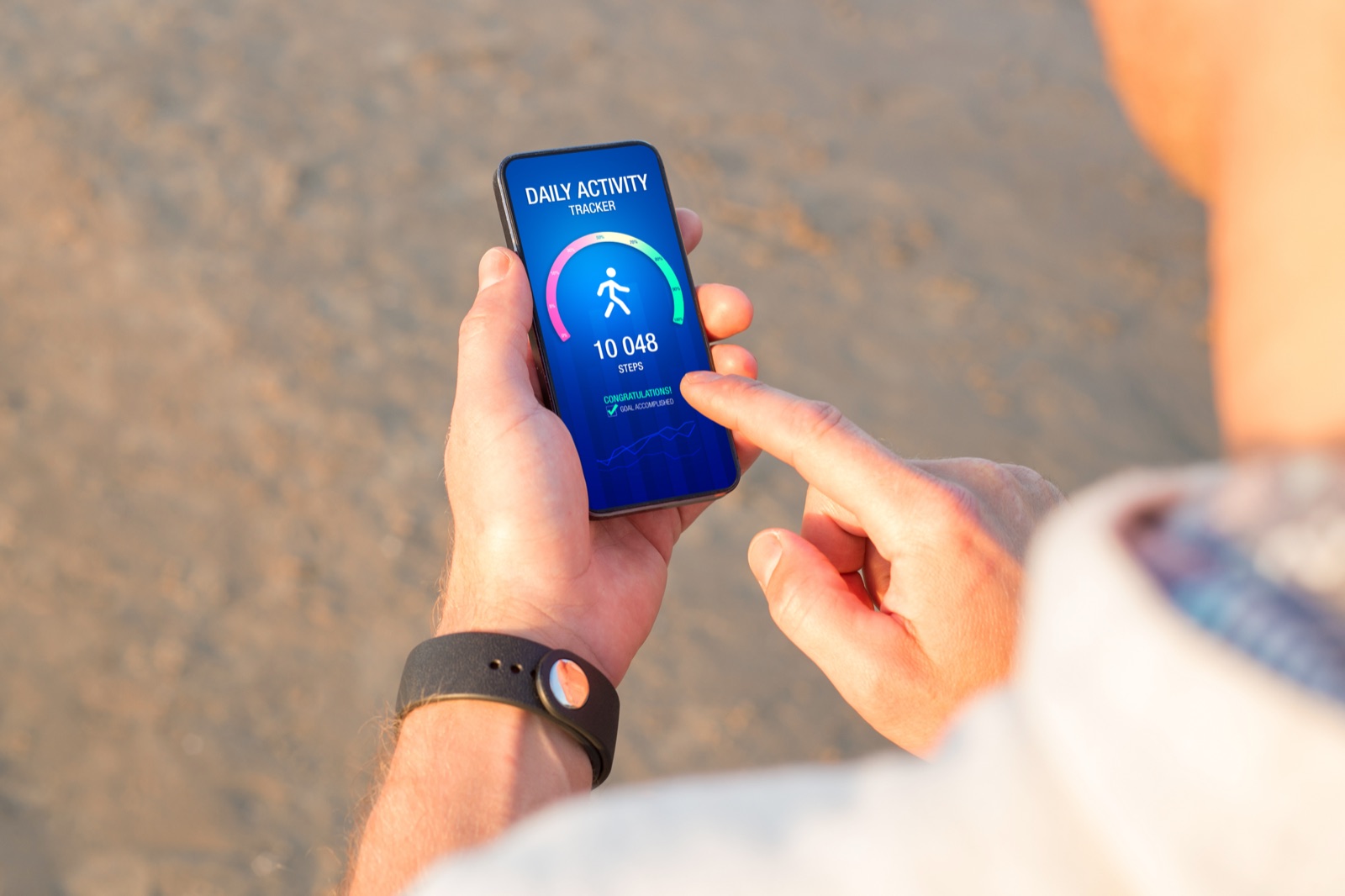
It’s barely 8 a.m. You’ve already been up for an hour, and your step counter flashes: 867 steps. Instantly, you start calculating: 10,000 steps, that’s the magic number, chased by every fitness app and friendly smartwatch owner.
By evening, you walked a lot. You took the stairs. You parked farther away from the grocery store. You did a 20-minute walk around the neighbourhood. Your feet hurt a little. You feel proud. But then you open your app. 6,367 steps. “You’re over 3,000 steps short of your daily goal.” And just like that, your hope evaporates. You didn’t make it.
This feeling of missing the target has followed you for years. It’s time to forget about it. Because the science just caught up with the truth. The 10,000-step walk was never about health. It was about marketing. And the real number? 7,000.
How a Japanese Company set 10,000
In 1965, a Japanese company invented a pedometer, a step counter. They needed a name that would sell it. They chose 10,000 because the Japanese character for 10,000 万 looks like a person walking. So they called their device the “10,000-step meter.” The marketing worked. The device sold. And over 60 years, the idea spread from Japan to North America. It was so familiar, so repeated, that we assumed it came from somewhere important. It came from an ad campaign.
What the Science Says
Last year, researchers pulled together 57 studies involving hundreds of thousands of people to answer “How many steps do you really need?” The answer surprised everybody. At 7,000 steps per day, compared to only 2,000, people had:
- 47% lower risk of dying early
- 25% lower risk of heart disease
- 47% lower risk of dying from heart disease
- 38% lower risk of dementia
- 37% lower risk of cancer deaths
Those are life-changing numbers. But more importantly, what if you don’t hit 7,000 every single day? What happens as you gradually increase your steps?
Benefits Start Early
You don’t need to wait until you hit 7,000 steps to start seeing benefits. At 4,000 steps per day, people had a 36% lower risk of dying early. Even that amount made a difference. Benefits start appearing around 3,000 to 4,000 steps. Then they keep improving as you walk more—all the way up to about 7,000 steps, where the biggest health gains show up. After 7,000, the improvements start to level off. Walking 10,000 steps is great. But it’s not dramatically better than 7,000.
Why 7,000 Works
The average person walks about 100 steps per minute at a good clip. That means 7,000 steps takes roughly 70 minutes of walking spread throughout your day. That’s not a marathon. Seventy minutes of regular movement. Spread across hours.
For people 45 and up, this is especially important. As we age, we spend more time sitting. The average adult spends over 9 hours a day sitting in chairs, on couches, and at desks. That habit, repeated day after day, is directly linked to heart disease, diabetes, some cancers, and loss of muscle strength. Walking breaks that cycle.
The Freedom of Aiming Lower
The psychology of the goal is also important. When your target is 10,000 steps, and you hit 7,000, your brain registers that as a failure. You didn’t make it. Do that five days in a row, and motivation evaporates. When your target is 7,000 steps, and you hit 7,200? That’s a win. And there’s another benefit: If you hit 7,000 on a regular Tuesday, and you hit 9,500 on Saturday when you explore a new neighbourhood, you’re not just meeting your target—you’re smashing it. People who set achievable goals and meet them are far more likely to keep going. And consistency is where the magic happens.
How to Get Your 7,000 Steps
It’s easy to hit 7,000 in your normal life if you’re intentional about it.
In the morning: A 15-minute walk while your coffee brews or the house is quiet. That’s about 1,500 steps.
During the day: Park a bit farther away. Take the stairs instead of the escalator. Walk to a colleague’s desk rather than email. Stand while you’re on phone calls. These small movements add up fast—often 2,000 to 3,000 steps without you even noticing.
After dinner: A 20-minute walk is the golden ticket. It’s gentle. It aids digestion. It gives you a natural wind-down, and it helps manage blood sugar. It’s about 2,000 steps. Many people find that walking works best. The temperature’s cooler, the neighbourhood is quieter, and the day’s stress is behind you.
On weekends: A longer walk, 30 to 40 minutes, covers 3,000 to 4,000 steps and gives you a chance to explore a new neighbourhood.
Do those four things, and you’re at 7,000
Safety and Comfort Matter
Before you start, a few things to think about:
- Wear good shoes. Your feet carry you for a lifetime. Invest in walking shoes that support your arch. This matters more at 45+ because your feet have already logged decades of miles, sometimes carrying extra weight.
- Start where you are. If you’re at 2,500 steps now, don’t jump to 7,000 tomorrow. Add 500-1,000 steps per week. Let your body adapt.
- Walk with a friend if you can. It’s safer. It’s more fun. It’s easier to stay consistent when someone’s counting on you.
What Happens When You Do This
When you walk 7,000 steps most days, your cardiovascular system gets a consistent message: Stay strong. Stay flexible. Keep pumping efficiently. Over weeks and months, your heart becomes more efficient. Your blood pressure improves. Your cholesterol profile shifts.
Your brain gets a message too: Build new connections. Stay sharp. The research on dementia prevention is clear. Regular walking is one of the best defences against cognitive decline.
Your bones get stronger. Your muscles stay engaged. Your mood lifts. Walking triggers chemicals that improve mental health. Some research suggests that walking is as effective as medication for mild to moderate depression.
Your sleep often improves. Your energy stabilizes. You stop feeling like you’re fighting against your own body.
Chalk up the Wins
If you’ve spent years trying to hit 10,000 steps and feeling like you fell short. Tonight, when you check your step counter and it reads 7,000 steps, chalk up a win. Because it is.