The Red Meat Panic
You’ve likely heard the headlines. Red meat causes cancer. The truth isn’t simply “meat equals cancer.” The kind of red meat you eat matters. How you cook it matters. How much you eat matters. What else is on your plate matters, too.
The WHO Confused Everyone
In 2015, the WHO classified processed red meat as a Group 1 carcinogen. Same category as tobacco. The internet exploded. But here’s the crucial point, Group 1 means the harm is certain. It does not mean the risk level is the same as tobacco. A cigarette is exponentially more dangerous than a hot dog.
The Group 1 classification only confirms that a link exists. It doesn’t reveal how strong that link is. Think of it this way, both a sports car and a bicycle are “transportation”, but one is much faster.
The Most Important Distinction
Most articles fail when they lump all red meat together. But there are large differences between processed and unprocessed red meat.
Processed red meat includes bacon, hot dogs, deli meats, and sausage. These contain added preservatives called nitrates and nitrites. Your digestive system converts these into harmful compounds. These compounds have the strongest link to cancer.
Unprocessed red meat includes steak, ground beef, lamb, and pork chops. (Yep, pork is as red meat.) This type has weaker evidence connecting it to cancer.
Why Confounding Factors Matter
Other habits matter. People who eat lots of red meat often have other unhealthy habits. Which habit is actually the problem? It’s like studying why red cars have more accidents. Red car drivers might be younger and more reckless. The car colour isn’t the problem, driver behaviour is.
DNA Damage to Cancer
When you eat bacon or a hot dog, your body converts the preservatives into molecules that can damage DNA. Damaged DNA sometimes becomes cancer. But “can” doesn’t mean “will.” Your body has defences. Your digestive system contains antioxidants and protective compounds. Your immune system repairs damage constantly. Most DNA damage gets caught and fixed before it becomes a cancer cell. Think of it like your home security system. A broken window is a problem. It doesn’t mean your house will be robbed. You have locks, motion sensors, and alarms. Your body works the same way.
The Actual Numbers
Eating processed red meat every day increases colon cancer risk by roughly 20 percent. That sounds dramatic. But in context, not so much. Your baseline colon cancer risk (without any meat) is about 4 percent. A 20 percent increase means moving from 4 percent to roughly 4.8 percent. Compared to smoking, which increases lung cancer risk by 2,000 percent. The difference is enormous. For unprocessed red meat, the increased risk is even smaller, around 5-10 percent, and many studies show no link.
How Cooking Method Changes Your Risk
Grilling, charring, and frying at high heat can create harmful compounds. These form when meat is exposed to very high heat. Both are potential carcinogens. Low-heat cooking methods are safer. Braising, stewing, baking at moderate temperatures, and boiling produce fewer harmful compounds. Pan-frying at medium-high heat sits somewhere in the middle.
If you love grilled steak, you’re not doomed. Marinating meat before grilling reduces harmful compound formation significantly. Adding antioxidant-rich spices like garlic, rosemary, and turmeric helps. Avoiding charring. Keep meat brown instead of black. How you cook is as important as what you cook.
The Fibre Protection You’ve Overlooked
Here’s something people rarely mention: fibre intake might protect you while eating red meat. Research suggests that people eating high-fibre diets alongside red meat show lower cancer risk than those eating red meat with low fibre.
Fibre is your digestive system’s vacuum cleaner. It moves material through your gut faster. Harmful compounds get less time to cause damage. Fibre also feeds beneficial bacteria in your colon, which produce protective compounds.
The Strategy That Actually Works
Instead of banning red meat, consider this framework:
Processed red meat: Occasional treats. A bacon sandwich once a month, not once a week. A hot dog at the summer barbecue, not every lunch. Think of it as special occasion food, not a staple.
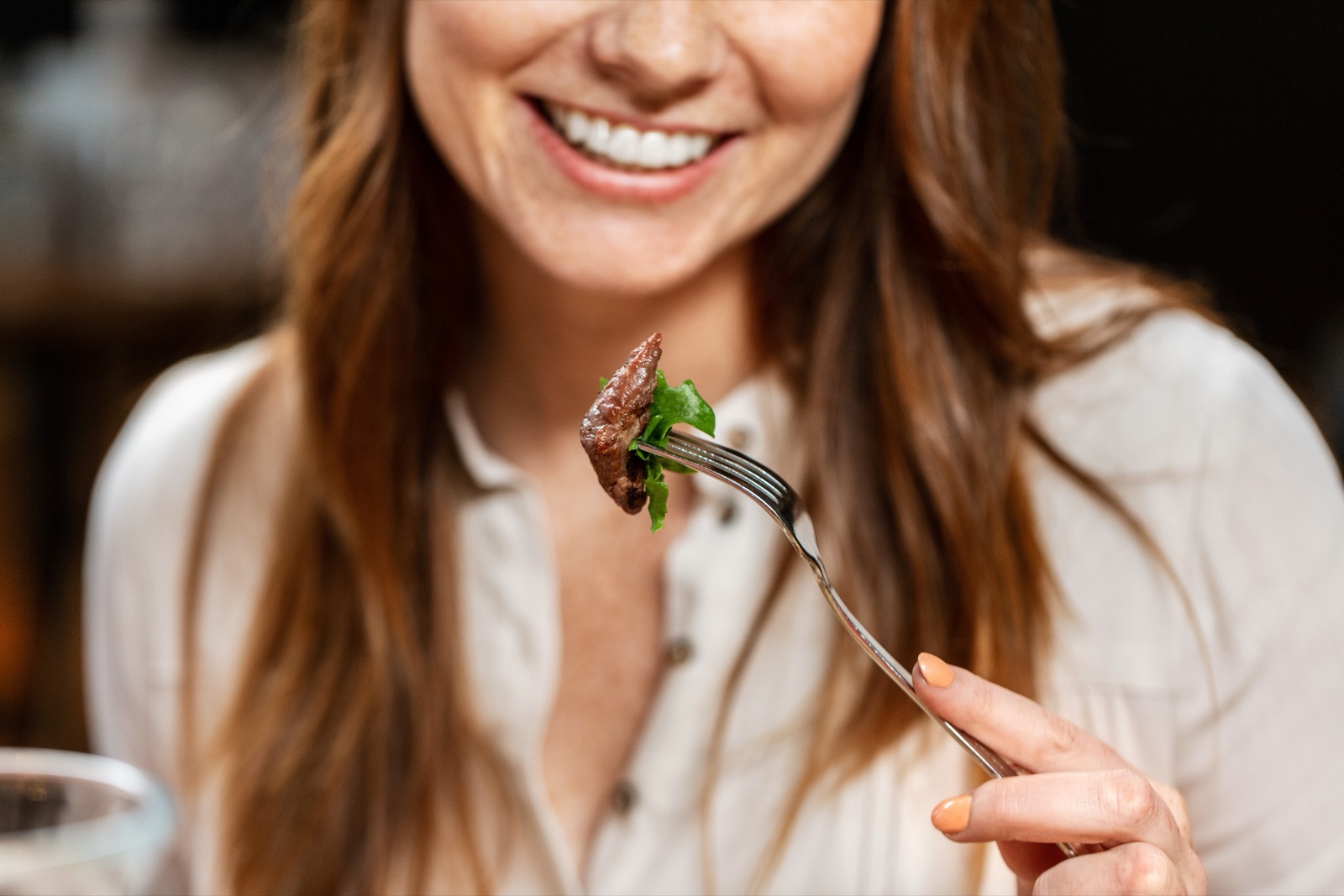
Unprocessed red meat: Enjoy it two to three times per week. A grilled steak, a beef stir-fry, a lamb chop. Cook it, but don’t char it black. Pair it with vegetables and whole grains.
Everything else: Poultry, fish, legumes, and plant proteins fill the gaps. This variety protects you. No single food dominates your diet. Your cancer risk depends on the full picture.
The Red Meat Lifestyle
Eating processed meat frequently is linked to slightly higher cancer rates. The link is real, but small. These studies also show something else: people who exercise, eat plenty of vegetables, don’t smoke, and maintain a healthy weight have lower cancer risk regardless of red meat consumption. Lifestyle factors dwarf individual food choices.
Your Vegetable Margin of Safety
Here’s an underappreciated truth: vegetables protect you. Literally. The antioxidants, polyphenols, and compounds in vegetables counteract oxidative stress and inflammation linked to meat. They’re your digestive system’s allies.
A steak with broccoli and sweet potato is safer than a steak alone. Red meat with Brussels sprouts and brown rice is different from red meat with white bread and soda. You’re not fighting cancer with individual foods. You’re building a protective eating pattern. Red meat can fit into that pattern when paired with vegetables.
This Matters More at 45 and Beyond
At 45 and beyond, cancer risk increases. This partly results from years of accumulated cellular damage. Your body’s repair systems are less efficient than they were at 25. This makes dietary choices more consequential now. But it makes sense to be smart, not fearful. You’ve likely eaten red meat for decades without developing cancer. Starting today, you optimise by limiting processed meat, moderating unprocessed red meat, cooking thoughtfully, and loading your plate with vegetables.
Enjoy Red Meat as Part of a Healthy Diet
You can enjoy red meat as part of a healthy diet. Not all red meat is equal. Not all cooking methods are equal. Not all risk is equivalent to other habits. This week, make one change. Add an extra vegetable. Marinate your next steak. Choose uncured bacon. Skip the hot dog. Small decisions, repeated, become your protective pattern. Eat red meat, but eat it smartly to enjoy today and tomorrow.